
 English
 Español
 Portugues
 Pусский
 Français
 Deutsch
 한국어
한국어 العربية
 Italiano
 Nederlands
 Polski
 ไทย
ไทย Türk dili
 हिन्दी
 Indonesia
 Melayu
 Tiếng Việt
 čeština
 Română
Solenoid valves for rocket engines
Solenoid valves are critical components in rocket engines and propulsion systems. They are electromechanical devices that use an electric current to move a small plunger or armature, which opens or closes a valve passage. In rockets, this simple function becomes extremely important because it controls the flow of propellants, pressurants, and purge gases under demanding conditions.A rocket engine relies on precise timing and fast response. Solenoid valves help manage events such as engine start, shutdown, propellant sequencing, and line isolation. Because they can switch states very quickly, they are ideal for tasks that require accurate control over liquid oxygen, fuel, helium, nitrogen, or other working fluids. In many propulsion systems, they act as on-off valves rather than throttling devices, meaning they are designed to be fully open or fully closed.The operating environment for rocket engine valves is harsh. They must handle extreme temperatures, high pressures, vibration, shock, and sometimes cryogenic fluids. Liquid oxygen and other cryogenic propellants can make materials brittle if they are not properly selected. For this reason, solenoid valves used in rockets are often built from stainless steel, nickel alloys, or other materials that retain strength and reliability at low temperatures. Seals and internal components must also be compatible with the fluids they control to avoid leakage, contamination, or chemical reaction.Reliability is one of the most important design goals. A valve that fails to open may prevent ignition, while a valve that fails to close may create a dangerous overpressure or uncontrolled flow. To reduce risk, engineers carefully design the magnetic coil, spring mechanism, valve seat, and sealing surfaces. Some valves are normally closed, meaning they remain shut without power, which can provide a safer default state. Others are normally open, depending on the role they play in the propulsion sequence.Because rocket systems often have limited electrical power, solenoid valves must be efficient. Designers work to balance coil power, response speed, and heat generation. In space applications, thermal management is especially important because excess heat can affect surrounding components and reduce reliability. In addition, many valves must operate after long periods of storage, so they need to resist stiction, contamination, and degradation over time.Testing is extensive. Valves are exposed to pressure cycling, vibration tests, leakage checks, flow tests, thermal conditioning, and sometimes repeated actuation in cryogenic environments. Engineers want to confirm that the valve will perform consistently not just once, but throughout the mission profile.In summary, solenoid valves are small but essential devices in rocket engines. They provide fast, electrically controlled fluid handling in environments where precision and reliability are vital. Their role supports safe ignition, stable operation, and mission success.
製品
カテゴリー:
-
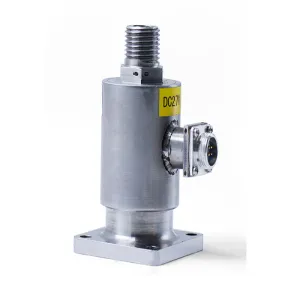
Solenoid valves for rocket engines
彼らの分類: Solenoid Valveビュー: 864番号:解放時間: 2026-10-23 13:47:40Valve body material: 1J117/1Cr18Ni19Ti
Sealing material: PTFE/EPDM rubber
Working pressure: 2.5MPa
ニュース
カテゴリー:
-
[Company News]What Is a Solenoid Valve and How Does It Work?
2026-10-23 12:45:55
ケース
カテゴリー:
検索結果はありません!
ビデオ
カテゴリー:
検索結果はありません!
ダウンロード
カテゴリー:
検索結果はありません!
採用
カテゴリー:
検索結果はありません!



 ワッツアップ
 電話
電話