
 English
 Español
 Portugues
 Pусский
 Français
 Deutsch
 한국어
한국어 العربية
 Italiano
 Nederlands
 Polski
 ไทย
ไทย Türk dili
 हिन्दी
 Indonesia
 Melayu
 Tiếng Việt
 čeština
 Română
Underwater solenoid valve
An underwater solenoid valve is an electrically controlled valve designed to operate reliably in submerged environments or in systems exposed to constant water pressure. It is commonly used in marine equipment, water treatment systems, underwater hydraulic applications, irrigation installations, and various industrial processes where fluid control must remain stable despite exposure to moisture, pressure, and corrosion.The main function of an underwater solenoid valve is to open or close the flow of liquid or gas by means of an electromagnetic coil. When electrical power is applied, the coil generates a magnetic field that moves a plunger or piston inside the valve body. This action changes the valve state, allowing or stopping the flow. When the power is removed, a spring or pressure difference returns the valve to its original position. This simple but effective mechanism makes the valve suitable for automated control systems.Because the valve is used underwater, its construction must be highly durable and sealed against water ingress. The body is often made from stainless steel, brass with special coatings, engineering plastics, or other corrosion-resistant materials. Internal seals are typically made from rubber or elastomer materials that can withstand long-term contact with water and chemicals. The electrical coil and wiring must also be protected with waterproof insulation and robust sealing to prevent short circuits or damage caused by submerged conditions.Underwater solenoid valves are available in different types, including direct-acting, pilot-operated, and normally open or normally closed designs. Direct-acting valves are often used in smaller flow applications because they can open without requiring pressure difference. Pilot-operated valves are better for larger flow rates, although they usually depend on system pressure to function properly. The choice of valve depends on pressure, fluid type, temperature, flow rate, and installation depth.One of the most important advantages of an underwater solenoid valve is remote and automatic operation. It allows operators to control fluid flow without manual intervention, which improves safety and efficiency. In underwater environments, this is especially valuable because physical access may be difficult or dangerous. These valves can also be integrated into sensors, timers, and control systems for precise process management.However, underwater use presents several challenges. High pressure can affect valve performance, while saltwater can accelerate corrosion. Sediment, biofouling, and debris may also interfere with moving parts. For this reason, regular inspection, proper material selection, and correct maintenance are essential. A well-designed underwater solenoid valve can provide long service life, dependable operation, and accurate control even in demanding submerged conditions.
製品
カテゴリー:
-
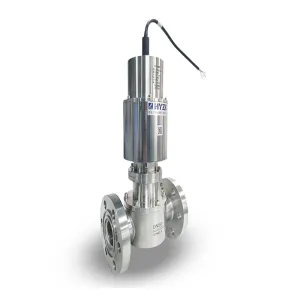
Deep sea solenoid valve
彼らの分類: Solenoid Valveビュー: 538番号:解放時間: 2026-10-23 15:20:01Nominal Diameter: DN50
Connection Method: GB 569-65 Flange Connection
Working Medium: Water (Particle-free)
ニュース
カテゴリー:
検索結果はありません!
ケース
カテゴリー:
検索結果はありません!
ビデオ
カテゴリー:
検索結果はありません!
ダウンロード
カテゴリー:
検索結果はありません!
採用
カテゴリー:
検索結果はありません!
おすすめ商品
検索結果はありません!



 ワッツアップ
 電話
電話